Tarot for family conflicts: what to ask when family is the issue
Arguments, estrangement or decisions that affect the whole family. Tarot can guide you on family dynamics and how to act when close relationships get complicated.
What tarot can show about family
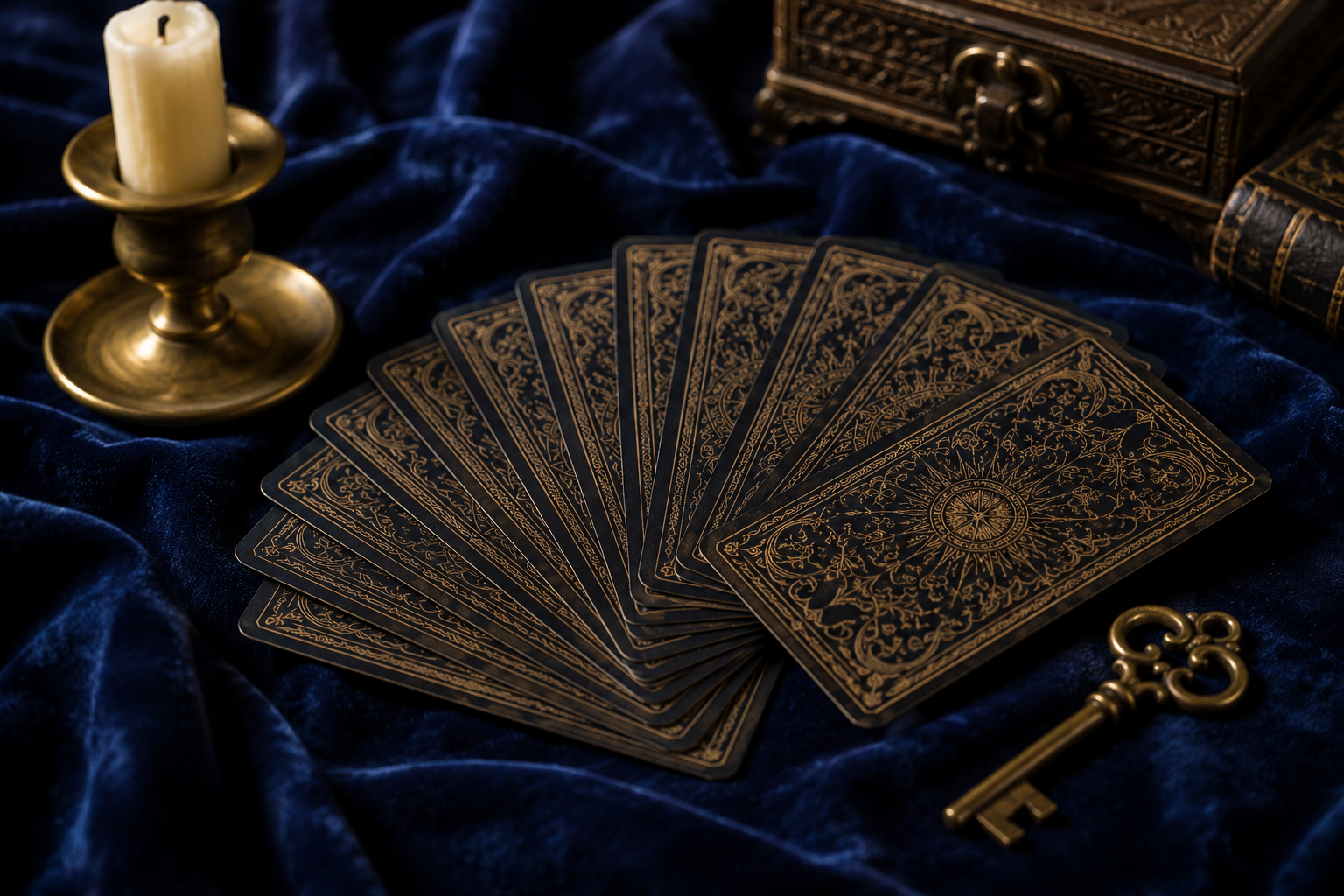
Tarot does not only answer love questions. Family relationships generate some of the most emotionally loaded readings: a conflict with a parent who will not listen, a sibling you no longer understand, a family decision that affects everyone but that someone made without consulting you. Tarot can show what dynamics are active in that system, how each person involved is reading the situation, and what might shift if someone takes a different step.
What to ask tarot about parents, siblings or in-laws
The best family questions for tarot are those that focus on what you can see or do, not on controlling what others do. Questions that work: What dynamic is active between my mother and me right now? How can I approach this conversation with my brother? What am I not seeing in this family conflict? What would be the best step to move this situation forward? Questions that do not work: Will my father change? or Is my sister right? — because tarot does not issue value judgments about third parties.
Recommended spreads for family conflicts
For family conflicts involving multiple people, the Celtic Cross is the most complete spread: it lets you see the central situation, external influences, underlying fears and the possible outcome. For specific family decisions — do I talk to my father about this? do I move out? — a yes or no reading or a 3-card spread may be sufficient. For long-standing dynamics, chronic emotional distance or family roles that never change, the Celtic Cross gives a deeper view.
A family situation you do not know how to resolve
A full spread can show you what is really happening in the conflict, what role you are playing without realizing it, and what the next useful step might be.
Get my readingHow to interpret cards when family appears
Cards like The Hierophant (family norms and expectations), the Four of Cups (emotional withdrawal), the Three of Swords (relational wound), or the Six of Cups (past bonds that still weigh heavily) are very common in family readings. Their position in the spread — whether they represent the past, the current state, or the possible outcome — completely changes their interpretation. What matters is not reading individual cards but the joint message of the spread.
When tarot can help and when it has limits
Tarot is useful for gaining perspective, identifying patterns you cannot see from inside, and deciding how to act. It does not resolve the conflict on its own and cannot tell you what other people will do. If the family conflict is serious — abuse situations, complete estrangement, very destructive dynamics — tarot can be a first orientation point, but the real work requires direct conversations or professional support.
Cards in your inbox, every Monday.
A weekly reading for the questions that matter.